

Kenya – East Africa
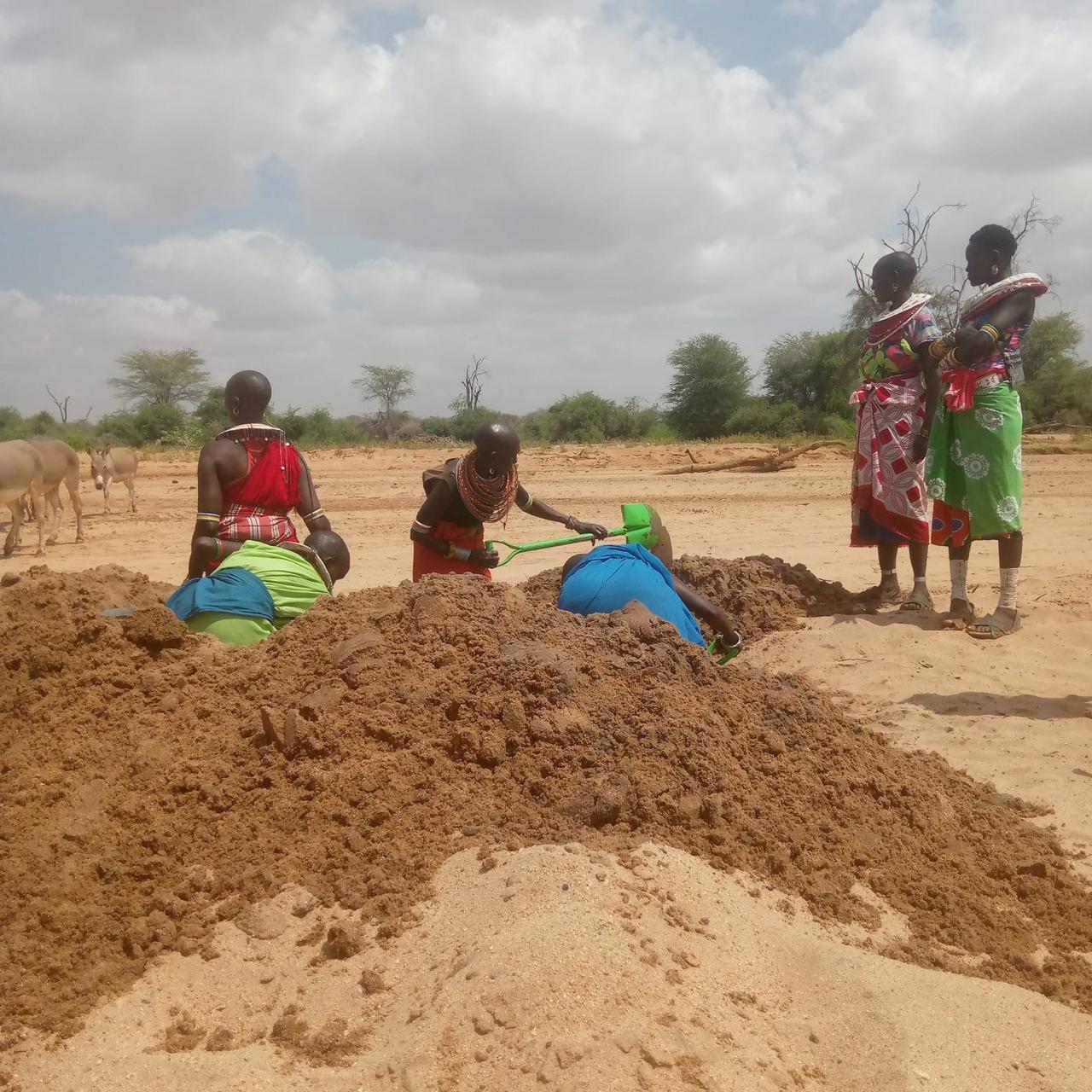
Lion Habitat Recovery, Samburu Women
The lion population in Kenya has decreased dramatically, driven by climate change, large-scale infrastructure projects, habitat loss, and conflict with humans.
This program follows a community-led conservation approach to restore the conditions in which Kenyan lions can thrive again.
The Samburu People
The Samburu is a pastoralist, semi-nomadic tribe from the semi-arid desert of Northern Kenya. Their livelihood depends on livestock, such as cattle, goats, sheep, and camels. They have a strong cultural and spiritual connection to the land and to wildlife. In particular, lions are highly respected and are central to their major ceremonies and cultural life.
It is culturally accepted to let lions prey on very few of their livestock. They understand this is within a natural order. However, climate change, droughts, large-scale infrastructure projects, and poaching have led to habitat loss and a stark decline in wildlife prey. As a result, lions have been hunting a disproportionate number of livestock. The Samburu have become less tolerant to lions, which has led to human-lion conflict and retaliatory killing of lions.
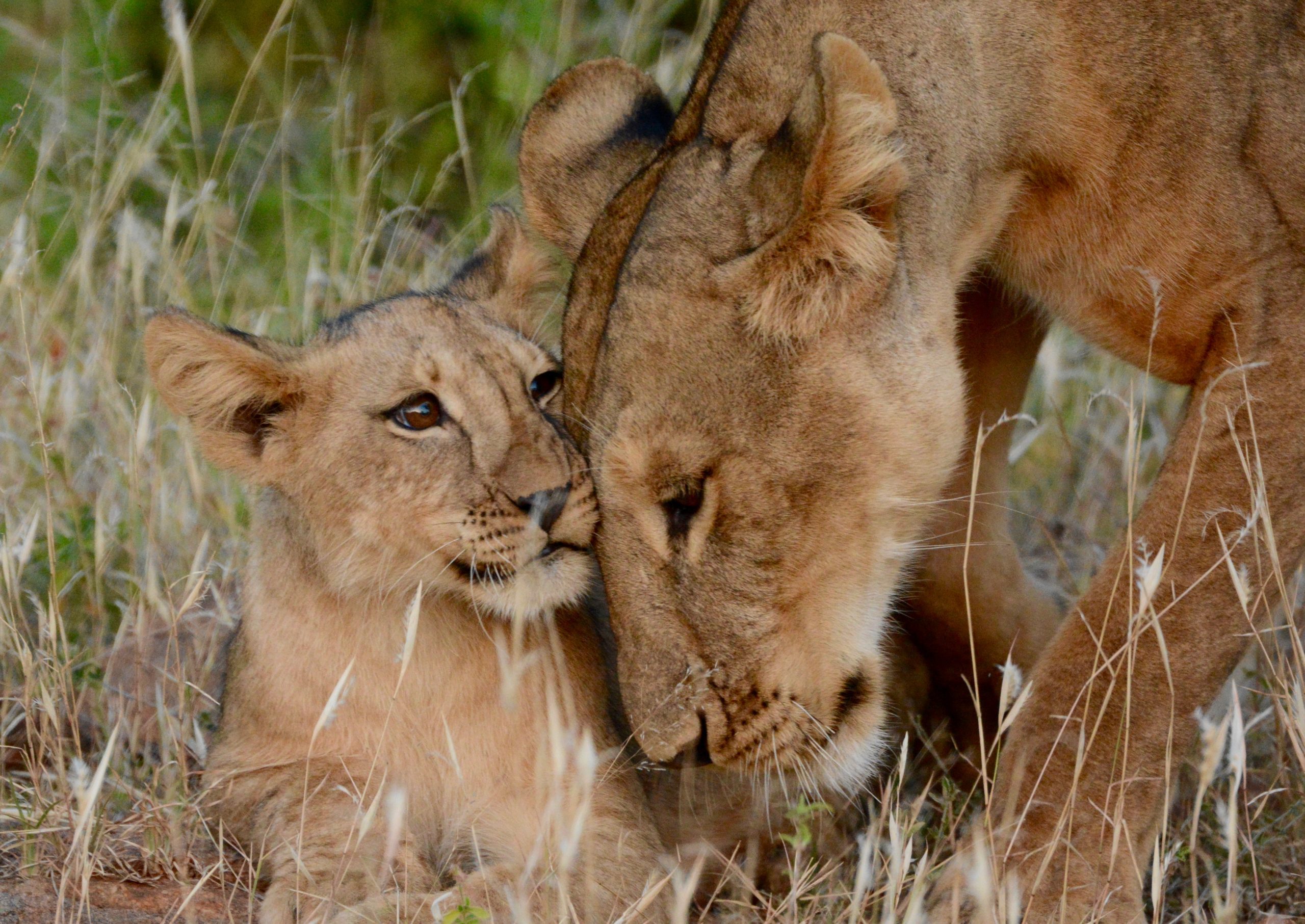
The combined effects of habitat loss, declining wildlife prey, and human-lion conflict have brought Kenyan lions to the verge of extinction. Globally, lions are listed as a vulnerable species. However, in Kenya, lions are listed as endangered.
Community-led Conservation
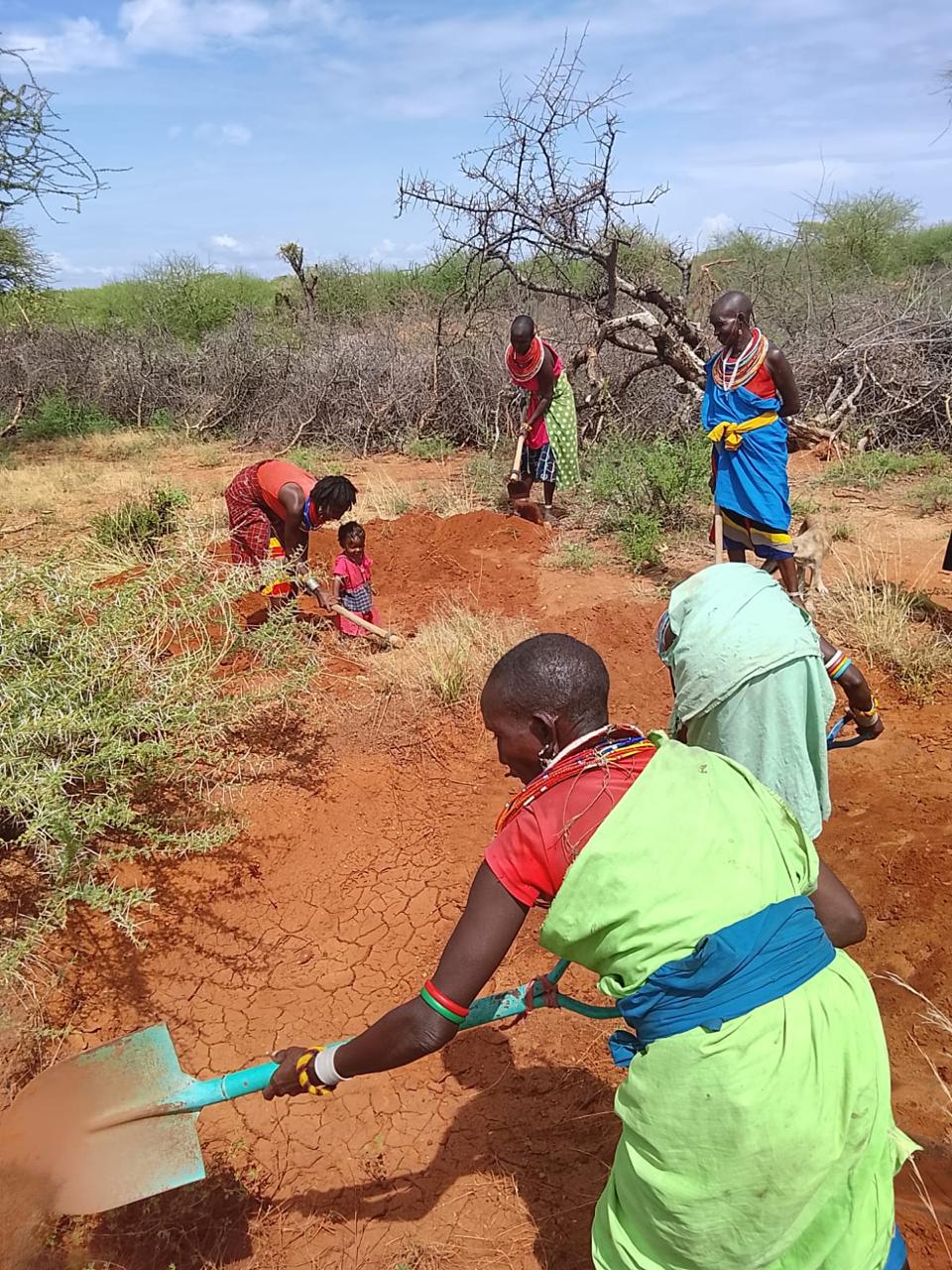
Designated protected areas, such as national reserves, are often not large enough to support the wide-ranging needs of lions. Therefore, the engagement of surrounding local communities is essential for effective conservation. In addition, community-led conservation is crucial to reinforce the harmonious coexistence of humans and lions, while respecting and strengthening cultural traditions.
This program is in partnership with the local conservation NGO, Ewaso Lions. Following a community-led approach, we are supporting the conservation strategies of an organised group of Samburu women from the Westgate Conservancy in Samburu East County.
The program is centred around restoring the habitat so that lions can thrive again.
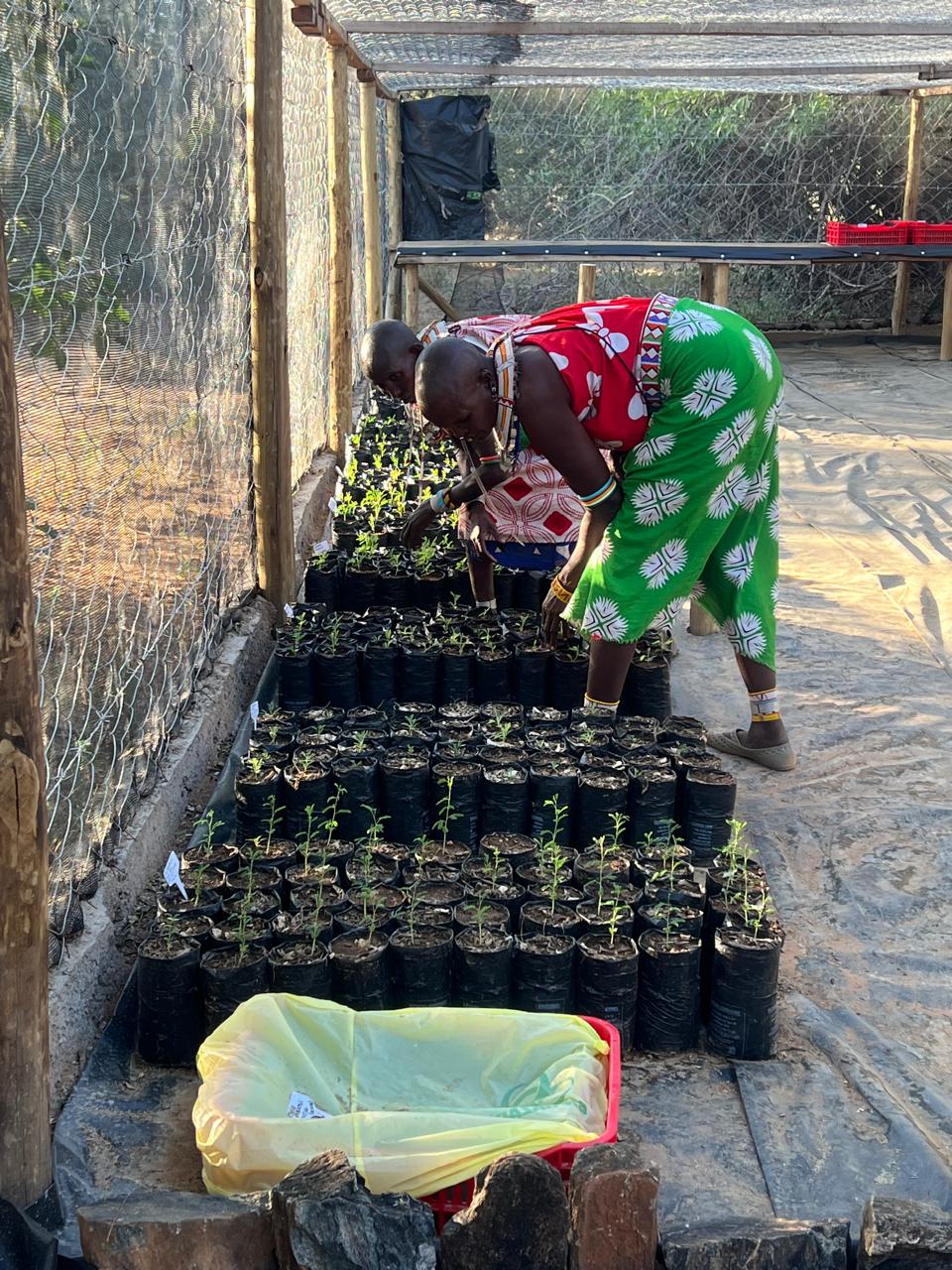
The women reforest native trees where lions love to shelter, hide, and raise their cubs. They remove mathengue bushes, a very noxious and widespread invasive species that displaces native trees, degrades the land, and competes for scarce water. They create and maintain grassland enclosures to revitalise degraded lands and ensure abundant food for wild herbivores. With healthier prey populations, lions are less likely to turn to livestock.
Women Leadership
In Samburu culture women are at the centre of community life and they are considered the owners of wildlife. They are uniquely positioned to shape positive attitudes and sentiments towards lions, wildlife, and conservation. However, they were typically excluded from conservation work. This group of Samburu women have claimed their right to care for lions.
The Samburu women perform habitat recovery activities all year round. Not only lions, but other wildlife such as zebras, giraffes, rhinos, and elephants benefit as well. The improved grasslands feed livestock too, reducing the need for long-distance grazing. Native trees are an essential source of natural medicine. Their income contributes to supporting their families, buying livestock, schooling the children, and buying food.
Ultimately, the whole ecosystem and community directly benefit.
Lion Habitat Recovery Kenya Samburu Women. Lion Habitat Recovery Kenya Samburu Women.